Medical Disclaimer: All content is for educational purposes and does not constitute medical advice or a doctor-patient relationship; always consult your own doctor for clinical concerns

I too was a non-believer!
My own personal journey from trying to understand to actually feeling just like my patients and realising how fast day-to-day life changes in your 40's
Dr N. Albu
5 min read
Her bloods are normal. Her FSH is normal. Her thyroid is normal. Everything that we test for, on the NHS, in ten minutes, has come back saying she is fine.
She knows she is not fine.
For most of my career as a GP, I sat across from this woman and I did not fully believe her.
I want to be careful about what I'm admitting here, because I think it matters. I was not unkind to her. I listened. I didn't interrupt. I validated what she said. I asked the right questions. From the outside, I was doing my job well, and the patient leaving my room would have described me as a good doctor.
But in the back of my mind, quietly, where no one could hear it, I was thinking: it can't really be this bad. It can't be that hormones alone are doing all of this. There must be something else. She must be more stressed than she's letting on. She must not be sleeping properly. Maybe she's not exercising. Maybe she's not eating well. Maybe she's not disciplined enough to look after herself.
I was waking at half past five. I was exercising before work. I was making breakfast for the children and packing healthy lunches and getting to clinic on time, and I could not understand why other women couldn't do the same. I thought, if I can do it, anyone can do it. I thought it quietly, and I never said it out loud, but I thought it.
I am writing this because I was wrong, and because the way I was wrong is the same way thousands of GPs in this country are wrong every day, with the best of intentions, and women are walking out of consulting rooms believing there is nothing wrong with them when there is something very specific wrong with them, and they are going home, and they are quietly falling apart.
I turned forty, and for a few months nothing happened.
I told myself forty was the new thirty. I told myself I'd kept up my training, my food, my sleep, and that I would be fine. I told myself I had years before any of this would touch me.
The first thing I noticed was the skin. My jawline broke out the way it used to when I was a teenager. My hair felt different. My nails felt different. I thought, supplements. I thought, stress. I started taking things. I waited.
A few months after that, I noticed the socks.
This is the part that is hard to explain to anyone who has not lived it. I have always been a calm person in my own home. I run a busy life, a clinic, children, a garden, an allotment. I am not someone who shouts about mess. Mess is just life. Until, suddenly, in the few days before my period, mess was unbearable.
Socks on the floor became personal.
Shoes in the hallway became an insult.
A pillow not straight on the sofa would bother me, like I didn't know I could be bothered!
I would feel myself approaching a point I had never been near before, a point where I might actually shout at my husband over something so small that I would be ashamed of it before the words were out of my mouth. And then my period would come, and seven days later it would all go away, and I would be myself again, and I would not care about the socks at all.
This was not anxiety. I have never suffered from anxiety. I have looked after enough anxious patients to know what anxiety looks like. And this was not depression either. This was something else, something cyclical, something that left no trace in any blood test I could order, something that lived in the gap between hormonal weeks and that I had never properly believed in until it was happening to me.
I tried to fix it the way I had told my patients to fix it. I tightened up my sleep. I tightened up my food. I cut the things that should be cut and added the things that should be added. I did all six pillars of lifestyle medicine, which is what I trained in, which is what I genuinely believe in.
I was better butI was not well.
The morning everything changed, I was sitting in clinic, and a patient I had been seeing for a while told me how much better she felt. She had taken the supplements I had recommended. She had started HRT. She was sleeping. She was exercising again. She was crying a little, with relief, while she thanked me.
I sat there and I thought: how can I help her, and not help myself? What am I waiting for? What is the threshold I am holding out for? How much worse does this need to get before I treat myself the way I treat her?
That was the moment. Not the skin. Not the socks. Not the office where everyone else was cold and I was not. The moment was sitting across from a woman who had taken my advice and got her life back, and realising I had not yet taken my own advice.
I am writing this because if you are reading it on your phone, at the end of a long day, and you recognise yourself in any of it, if your bloods came back normal and you were told you were fine and you know that you are not fine, I want you to know two things.
The first is that you are not imagining it. The cluster of symptoms you cannot quite name, the tiredness that does not lift, the rage at the socks, the version of yourself you do not recognise, these are not character failures. They are not a discipline problem. They are not because you have stopped trying. They are, for many women in their early forties, the early signal of a hormonal change that current NHS blood tests are not reliable at picking up, and that many GPs are still cautious about naming.
The second is that I was the doctor you were afraid to see. I am not anymore. There are more of us changing than you think. And the next post on this blog will be about what to ask for when you go back.
I will go with you, on the page, the rest of the way
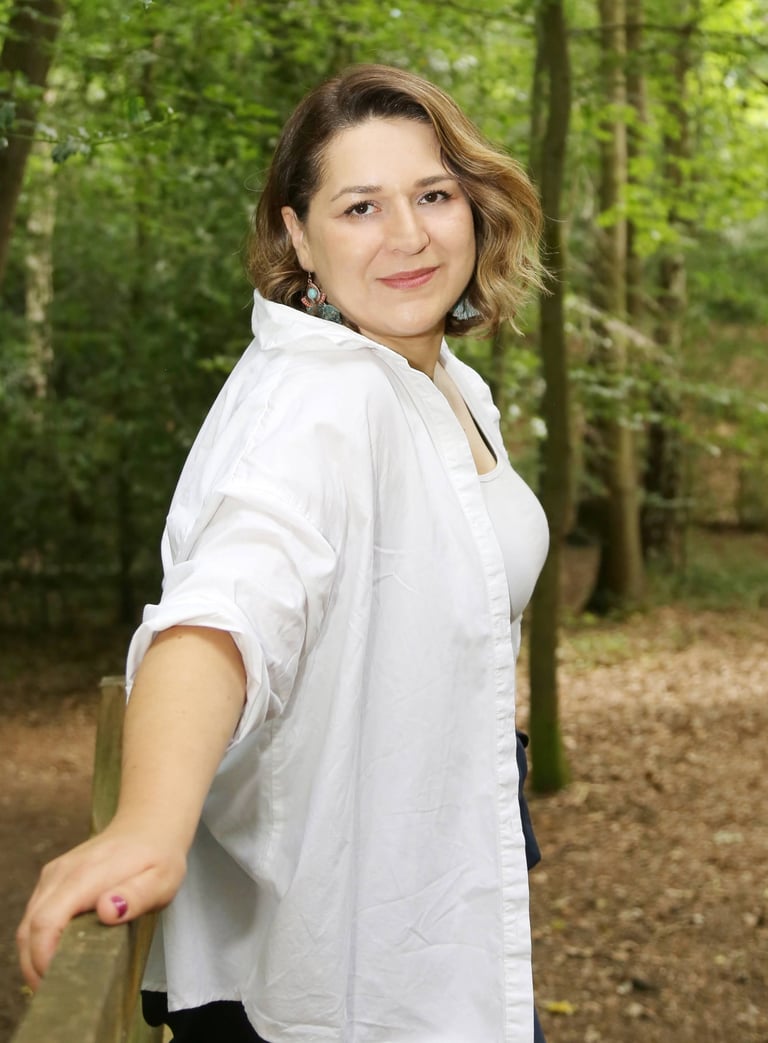

There's a particular kind of woman who comes into my clinic. She's in her early forties.
She sits down, and before I've asked anything, she apologises for taking up my time. She tells me she knows it's probably nothing.
She tells me she's tired. She tells me she's been short with her children, with her husband, with herself.
She tells me she doesn't recognise the person she's become in the last year, and then she makes a joke about it, because if she doesn't make a joke she might cry.
Support
Empowering women through perimenopause and menopause sound advice.
Connect
contact@peri-menopausedr.com
© 2025. All rights reserved.
Medical Disclaimer: All content is for educational purposes and does not constitute medical advice or a doctor-patient relationship; always consult your own doctor for clinical concerns